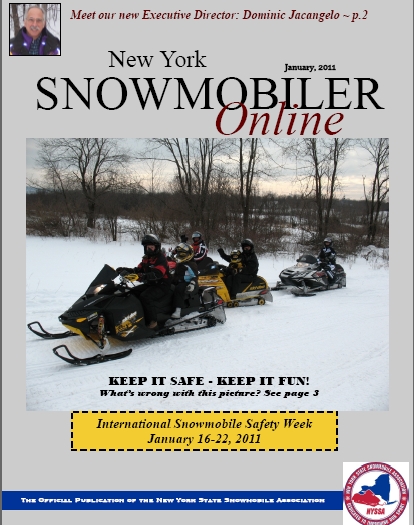
Showing posts with label heavy snow. Show all posts

Tuesday, January 11, 2011

Winter Snowmobile Safety 2011


Once again the white stuff is here and in great quantity for those of you lucky enough to have snow like Oswego County and the Tug Hill Regions of New York. 
When you are having this much fun, few of us want to consider "emergencies" or "preparation" so the time to get that out of the way is BEFORE you head out.

Having a game plan and making sure that if you (or your sledding buddies) have certain medical conditions, take certain medications, have serious allergies, special needs or maybe just want relatives notified ASAP in an emergency - then ICE is for you.  

ICE can play a roll in improving your odds of getting the correct medical treatment in that critical "Golden Hour" of intervention. 

Even if you don't live in the snow belts but travel to some of the other great white spots in the country for this recreation or sport, then being prepared beforehand is an absolute must.    This is especially important if you sled alone as some folks do. Having a well though out emergency kit on hand at all times and knowing how to use it ahead of time will go a long way in saving your butt!


In an emergency, First Responders or fellow sledders will notice this symbol and realize that you are equipped with emergency contact and medical information in the form of ICE Cards, ICE Medical Forms, Smart-ICE in their smart phones, or Emergency Contacts & prerecorded messages programmed in their cell phones.  ICE is also used in/on your vehicles where you can store additional information or back up copies as well. Redundancy works!

There is nothing worse than you or your buddies not having a clue about how to help each other out in an emergency - it could spoil your whole trip.  

Basic ICE Kits are free to those who send a SASE to the address below.  Your sledding group can also get quantities for members and make sure everyone is up to speed on using ICE and "carrying" - it is a no-brainer! 

Oddly, some people will spend $6-7K on a new sled and won't take 5 minutes to prepare for an emergency....just don't let that be you. 

Just so you would know how the new ICE Stickers might look on your sled we had Ed Coombs, a professional NASCAR photographer take some representative photos of a fully decked out snowmobile and rider to demonstrate various locations where ICE can be used on your machine. For effect, the helmet is clearly marked with a large ICE Sticker and which can be easily recognized even from a considerable distance.  We've had them outdoors for a few years on street signs and they still are looking good.

There are plenty of ways you or your club can use and help support the use of ICE as a preparedness tool in all seasons and in your home communities,  so check out this blog and the new website. 

Make every trip a round trip - be prepared!

Thank you NYSSA for bringing this message to your members and readers!

Check them out here.   http://nyssnowassoc.org/ 


ICE4SAFETY
PO Box 82
Dewitt, NY 13214 USA

Thursday, December 23, 2010

Merry Christmas!


Wishing you all a very Merry Christmas and a Safe Holiday Season. 

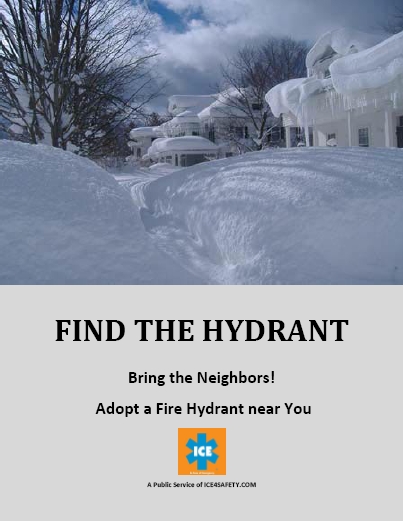
Consider giving the gift of Safety by shoveling out a Fire Hydrant near you, for a friend or relative.......or even someone you don't know......

Wednesday, December 8, 2010

Winter Fire Safety Preparedness


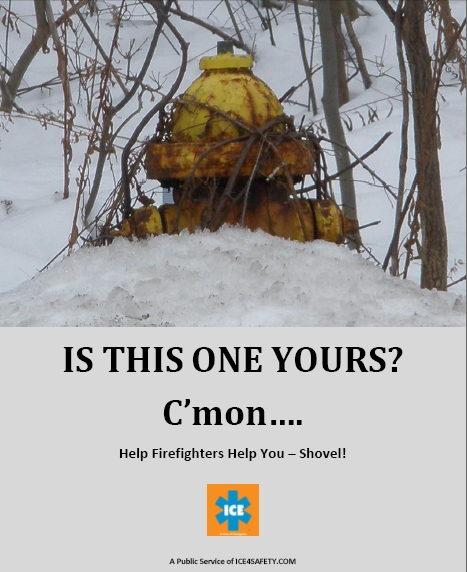
Hydrant sorely in need of help here....vines too! Houses across the street.

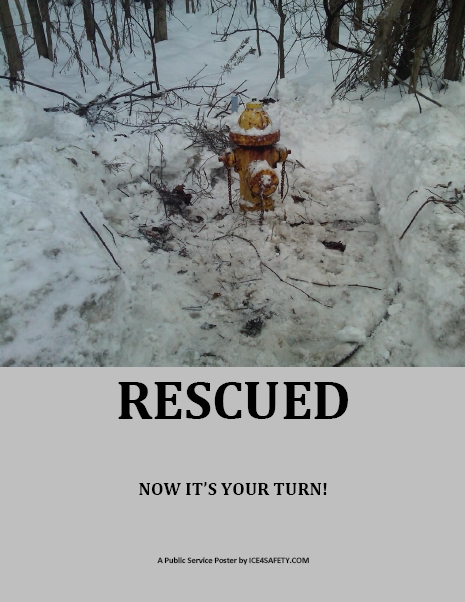
A Cicero NY firefighter responded to our notice rescuing this fire hydrant!

Winter is no time to hibernate when it comes to preparedness and fire safety especially...while you are out shovelling, snow blowing or plowing, please take a few minutes to remove obstructions (SNOW) around your nearby fire hydrant.  If you live in a fire district with volunteers remember it may take extra time for them to respond to your fire....those 10 minutes will seem like an eternity.  Why have them waste even more time shovelling to your hydrant?

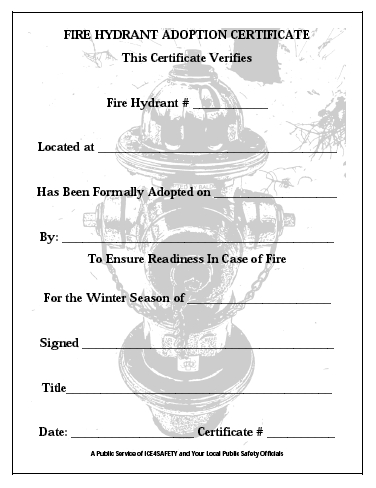
Update 12-12-10:  We've added a zipped file of posters on the main page of the website and Adopt A Hydrant Certificate files so your FD can create their own posters and let people "adopt" a hydrant for the purposes of ensuring it is clear of any obstruction (snow) in the event of a fire.....    check them out....   http://www.ice4safety.com/


Confirm this by watching news on 12-9-10 from ABC WIXT here: http://tinyurl.com/2f2sgcx

Having an obstructed hydrant could result in a delay in knocking down your fire and the sacrifice of 1-2 firefighters that might be better used fighting the fire or doing a rescue...now think about that.  Don't wait. 

Get the latest Winter Fire Safety Kit for your organization right here:  12-27-10

We try to support those who will be responding to our calls for help and have done so for years.  This idea is certainly timely and important - especially in this retched economy where the cost of services keep going up and the level of service keeps going down.


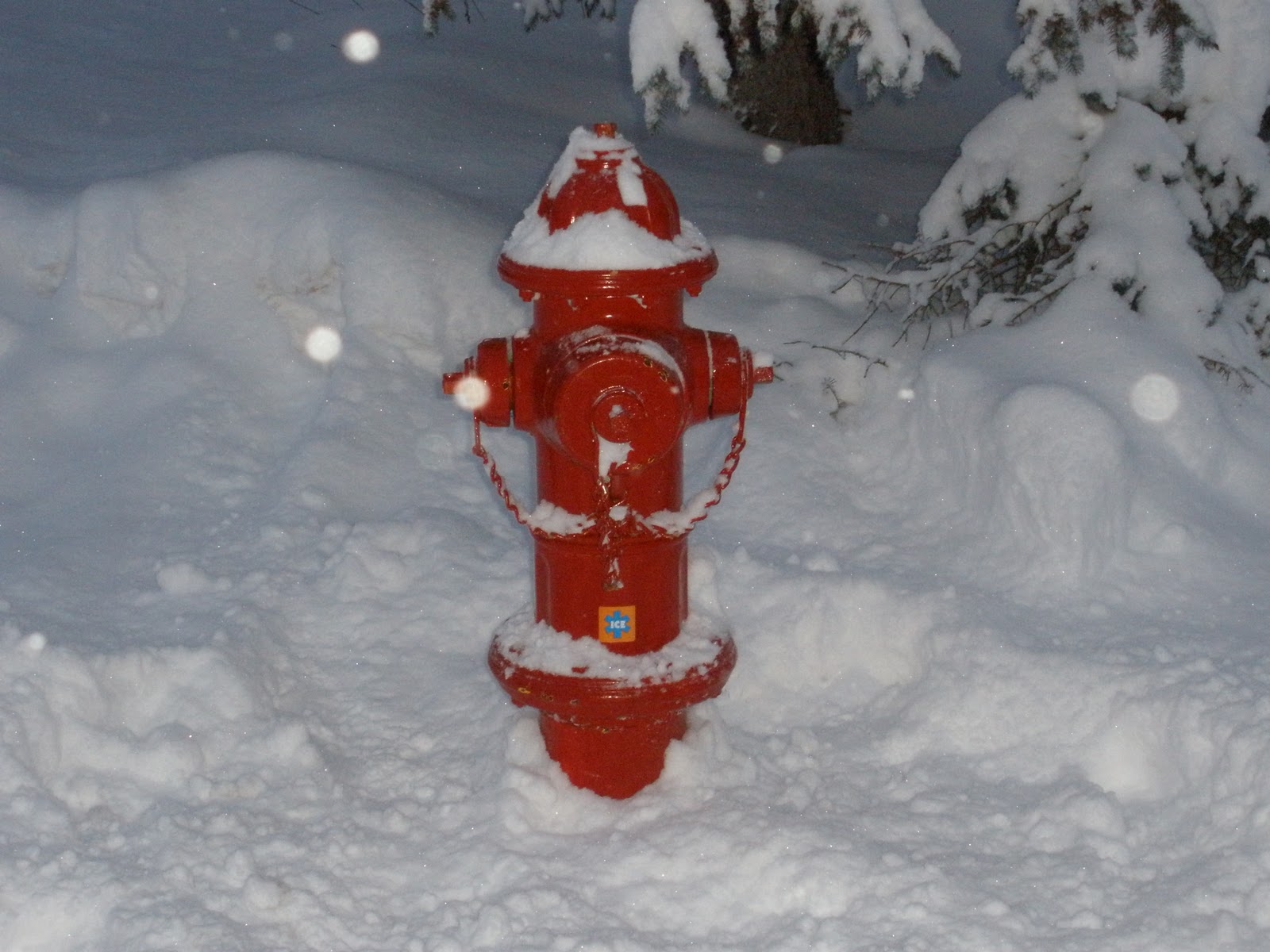
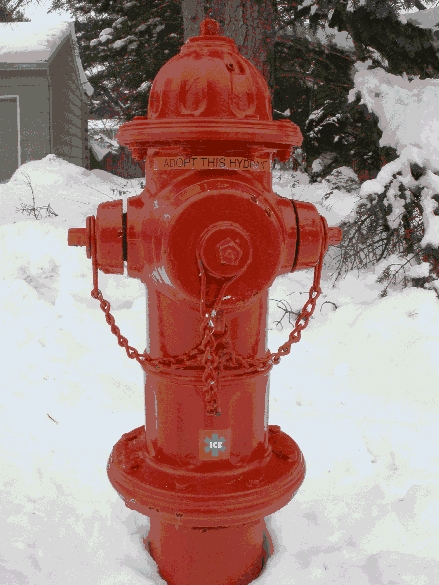
Okay here is a hydrant in DEWITT, NEW YORK shoveled out recently(okay, we used a snow blower!) so even a Fat Santa can get around this one ....or a heavily outfitted firefighter.  10 feet of clearance all around so the snow plow won't block it in.  Don't scrimp here. Teach the kids how to do it.  


Suggestions:  Town/Village/City could place a family (or families) name on the hydrant that is charged with clearing it out (See Pics) using easily applied label tape or they can implant a locater stake with a flag with the names on it.....and keep a spreadsheet database of names.....contests or business sponsorship (they can clean out theirs as well) are all possibilities.   We have included an "Adoption Certificate" in our Fire Safety Zipped File so Fire Chiefs or sponsors can issue them to willing participants.....which should be everyone.  This goes for dry standpipes in rural communities as well. 


Snowstorm predicted for this week.....get your shovel on!


Adopt This Hydrant.

Fire Chiefs or Town/City Officials Can Issue "Adoption Papers"


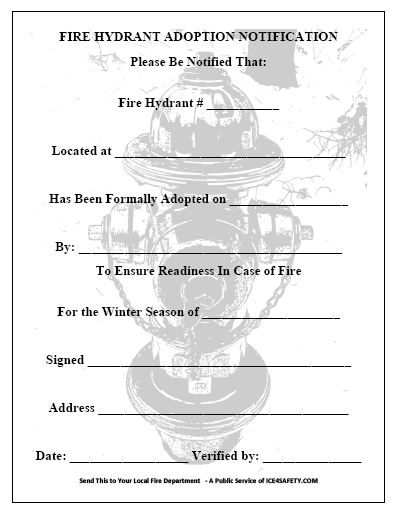
NEW!.....Notify your local Fire Department yourself that you are Helping Out! 

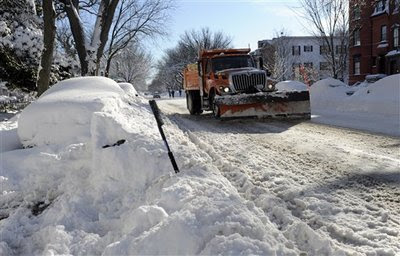
Steve Cannerelli Photo Syracuse Post Standard 1-19-11   ISO Rated #1 Fire Department

WIXT News and B104.7 Radio Have Joined the Chorus  2-9-11

Is this as easy as it seems?  Yes it is.... 


Before
After
Some People Requested a Visual Representation.  There you go.

ICE4SAFETY has expanded to Wordpress now as well.....

Tuesday, February 23, 2010

Driving in Snow & ICE


This year much of our country has experienced snow & ice in considerable quantity - including Florida.

Our nation’s capital was closed for several days as they were unprepared for driving in the deluge of snow. Maybe that was a good thing.....

Some safety organizations and government sources will advise you not to drive at all in bad weather which might seem reasonable in some instances - but certainly impractical in others.

Many people absolutely have to get somewhere for one logical reason or another. It makes sense therefore that you know how to drive in all conditions! Some folks who live/work in snow belt areas already be aware of this, but surprisingly many others still don't.

Here are some “Best Practice” Driving Tips:

· If you must drive in snowy conditions, make sure your car is mechanically sound and you have
secured preparations like a survival kit on-board and that you know how to adjust and drive
your vehicle in various road conditions. Snow tires will work far better than all-season tires.
· It's helpful to practice winter driving techniques in a snowy, open parking lot, so you're familiar
with how your car handles. (Police Agencies train officers how to drive in various emergency
conditions - so why shouldn’t you learn as well?)
· Some vehicle owner’s manuals contain tips on how to drive in adverse conditions specific to
your vehicle. Check there as well.
· Consider taking driving courses from professional driving schools that teach EVOC courses for
police/fire/ems if you really want to become proficient.

How to Drive Safely on Icy Roads
· Decrease your speed and leave yourself plenty of room to stop. You should allow at least three
times more space than usual between you and the car in front of you.
· Brake gently to avoid skidding. If your wheels start to lock up, ease off the brake.
· Turn on your lights to increase your visibility to other motorists.
· Keep your lights and windshield clean.
· Use low gears to keep traction, especially on hills.
· Don't use cruise control or overdrive on icy roads.
· Be especially careful on bridges, overpasses and infrequently traveled roads, which will freeze
first. Even at temperatures above freezing, if the conditions are wet, you might encounter ice in
shady areas or on exposed roadways like bridges.
· Don't pass snow plows and sanding trucks. The drivers have limited visibility, and you're likely
to find the road in front of them worse than the road behind. (They travel at 35MPH in NY)
· Don't assume your vehicle can handle all conditions. Even four-wheel and front-wheel drive
vehicles can encounter trouble on winter roads.

Handling a REAR Wheel Skid...
· Take your foot off the accelerator.
· Steer in the direction you want the front wheels to go. If your rear wheels are sliding left, steer
left. If they're sliding right, steer right.
· If your rear wheels start sliding the other way as you recover, ease the steering wheel toward
that side. You might have to steer left and right a few times to get your vehicle completely
under control.
· If you have standard brakes, pump them gently.
· If you have anti-lock brakes (ABS), do not pump the brakes. Apply steady pressure to the
brakes. You will feel the brakes pulse — this is normal.

Handling a FRONT Wheel Skid...
· Take your foot off the gas and shift to neutral, but don't try to steer immediately.
· As the wheels skid sideways, they will slow the vehicle and traction will return. As it does, steer in the direction you want to go. Then put the transmission in "drive" or release the clutch, and accelerate gently.

If You Get Stuck...
· Do not spin your wheels. This will only dig you in deeper.
· Turn your wheels from side to side a few times to push snow out of the way.
· Use a light touch on the gas, to ease your car out.
· Use a shovel to clear snow away from the wheels and the underside of the car.
· Pour sand, cat litter, gravel or salt in the path of the wheels, to help get traction.
· Try rocking the vehicle. (Check your owner's manual first — it can damage the transmission on
some vehicles.) Shift from forward to reverse, and back again. Each time you're in gear, give a
light touch on the gas until the vehicle gets going.
· Carry an emergency “Rescue Strap” in your vehicle – it is designed to pull your vehicle out of
the snow /mud/ditch - make sure you do not use a “Tow Strap” which is only designed for
towing.

Adapted and Supplemented from National Safety Council; New York State Department of Motor Vehicles; Washington State Government Information & Services

Thursday, February 18, 2010

Amazing Survival Story or Need for Preparedness?


http://tinyurl.com/yhx6ufw

It is always difficult to criticize as an armchair quarterback but the only way others learn sometimes is by example.

This story on Fox News 2-18-10 about a fellow named Jason Pede on a business trip stranded 73 hours on a snowpacked Colorado road because of a wrong turn or bad directions is a good example. We are relieved he made it out alive....let us use his example to help others.

Some background:
Pede was operating a Lincoln Navigator - A large SUV with plenty of room. He was a professional driver by trade. He was admittedly out of shape and only had high sugar content soda and sugar wafers in his car for food. He was given directions on the road that may have been wrong and his GPS may have provided incorrect directions as well.

Pede was 7 miles away from any assistance when he became stranded and no one knew where he was. His wife lost contact with him as his cell phone battery may have died out or was out of range or both. He got his truck stuck in hood high snow when he tried to turn around.
His decision to not walk out (ok decision actually) was because Mr. Pede was out of shape (not a good decision). He managed to make fire "during the day"which melted his truck panels.

He "survived" by drinking Mountain Dew and eating Sugar Wafers until he ran out of gas for his truck. He then decided to walk out to seek help. Was he lucky?

As we have repeated here for 5 years....knowledge in an emergency is critical. More so than high tech gear.

He admitted now if he knew to only run his vehicle 10 minutes per hour to stay warm he would have conserved fuel and could have stayed in the truck.

Critique:
Ok. What might YOU have done differently?
Some of these items below may have been in play already. We have detailed these in a training memo last year which is on the website.....

Some suggestions:
Notified someone (wife in this case) of your new route via cell phone.
Mark Route on paper so contact knows it - and so rescuers can start an effective search
Carried at least one emergency evacuation/survival kit on board.
Flares/Lithium Powered LED FlashLights or Headlamps
Spare Batteries/Chargers
Aerial Flares/Rescue Strobe Light (Marine or Military- not toy versions)
Survival Food for 3 days - minimum
Water 2 1/2 gals - not sugar loaded soft drinks
First Aid Kit
Alternate Heat/Cooking Gear - Alcohol Based OK
Survival Candles - Long Duration High Density - Can be used for Cooking /Heat
Backpack
Sleeping Bag or Mylar Reflective Blankets - 1 per occupant
Parachute Cord
Survival Knife
Spare Warm Clothing Appropriate for Inclement Weather - Hats/Gloves
Portable Shelter (aka Tent/Tarp)
Snowshoes/Boots
Shovel
Tire Chains as required by State Law in many instances
Road Map
Firearm for Protection if licensed
Been in Better Physical Condition
Don't rely on your phone as your only survival tool.
Left an emergency survival manual in this large vehicle.
This would have been an actual bonified good opportunity for using OnStar (GM still knocks those of us who can't afford it and are personally prepared using ICE)

We will add more as we go forward...... He could have stayed put with this gear.

3-8-10
Jason has commented below....and makes a great point! If you have two cars (or more) all cars should be equipped with some basic essentials for survival.