Monday, March 25, 2013

Lose Your Phone?


Lose Your Phone or Camera?

Try this simple tip....take a picture of information needed in order for the person(s) who finds your device to notify you or safely return it.

You can add information you feel comfortable with and there is no need to subscribe to any service.  

Thursday, January 17, 2013

Winter Vehicle Safety Kit Revisited 2013

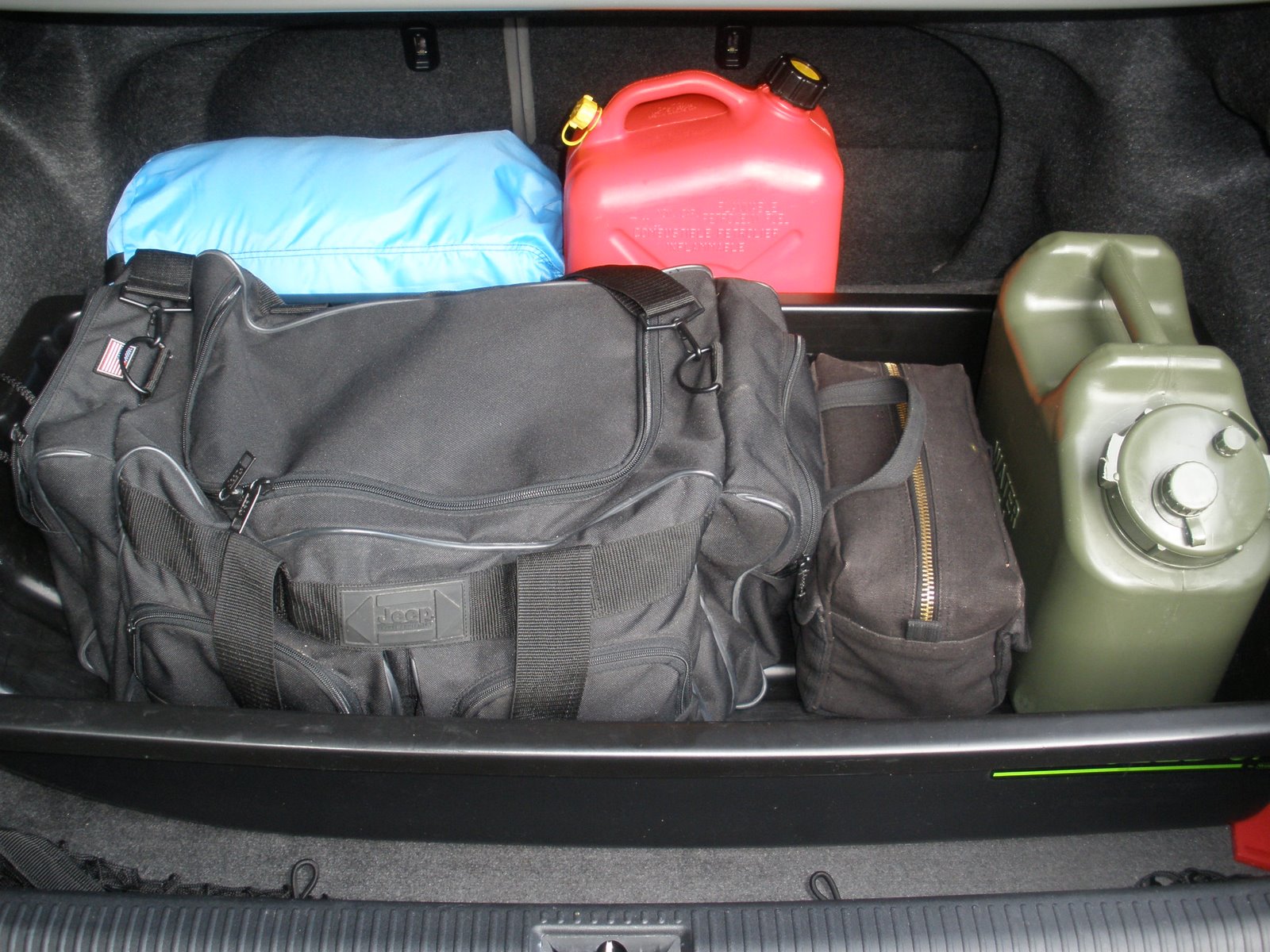
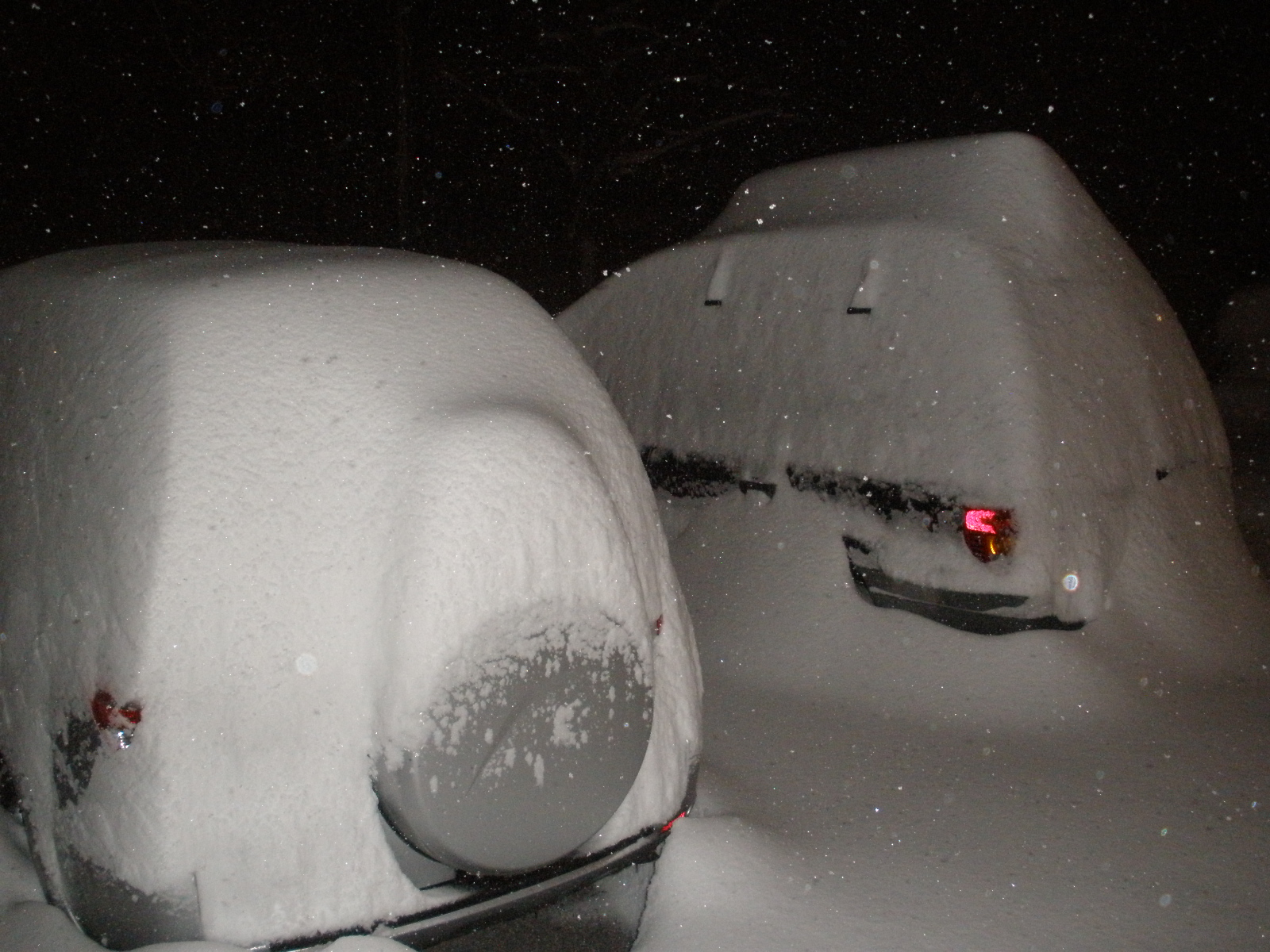
Time for that yearly reminder about taking essential survival gear and food along for that winter ride.  Remember that in a storm situation you might find yourself considerably off course or off the roadway out of sight for a very long time. 

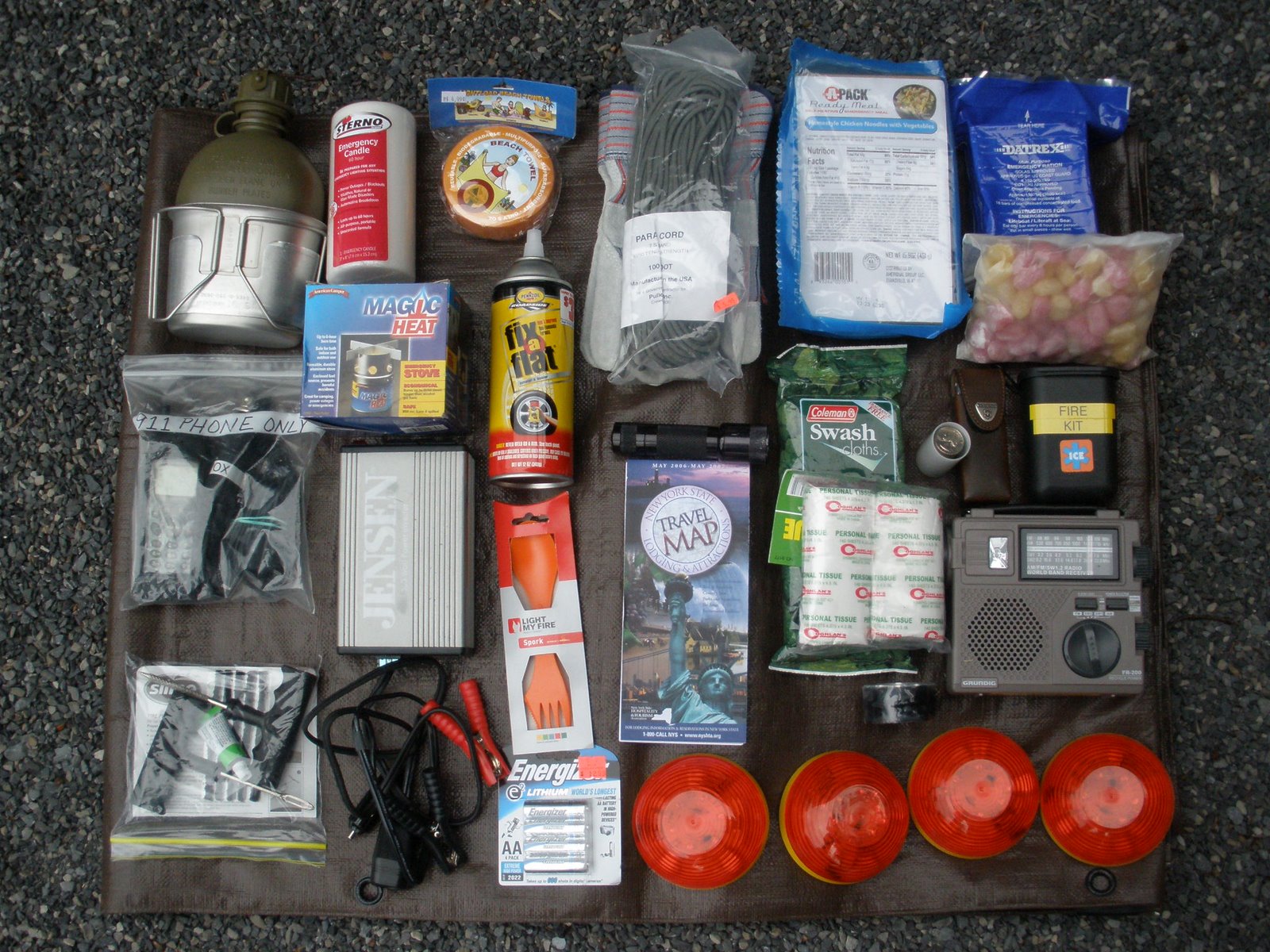
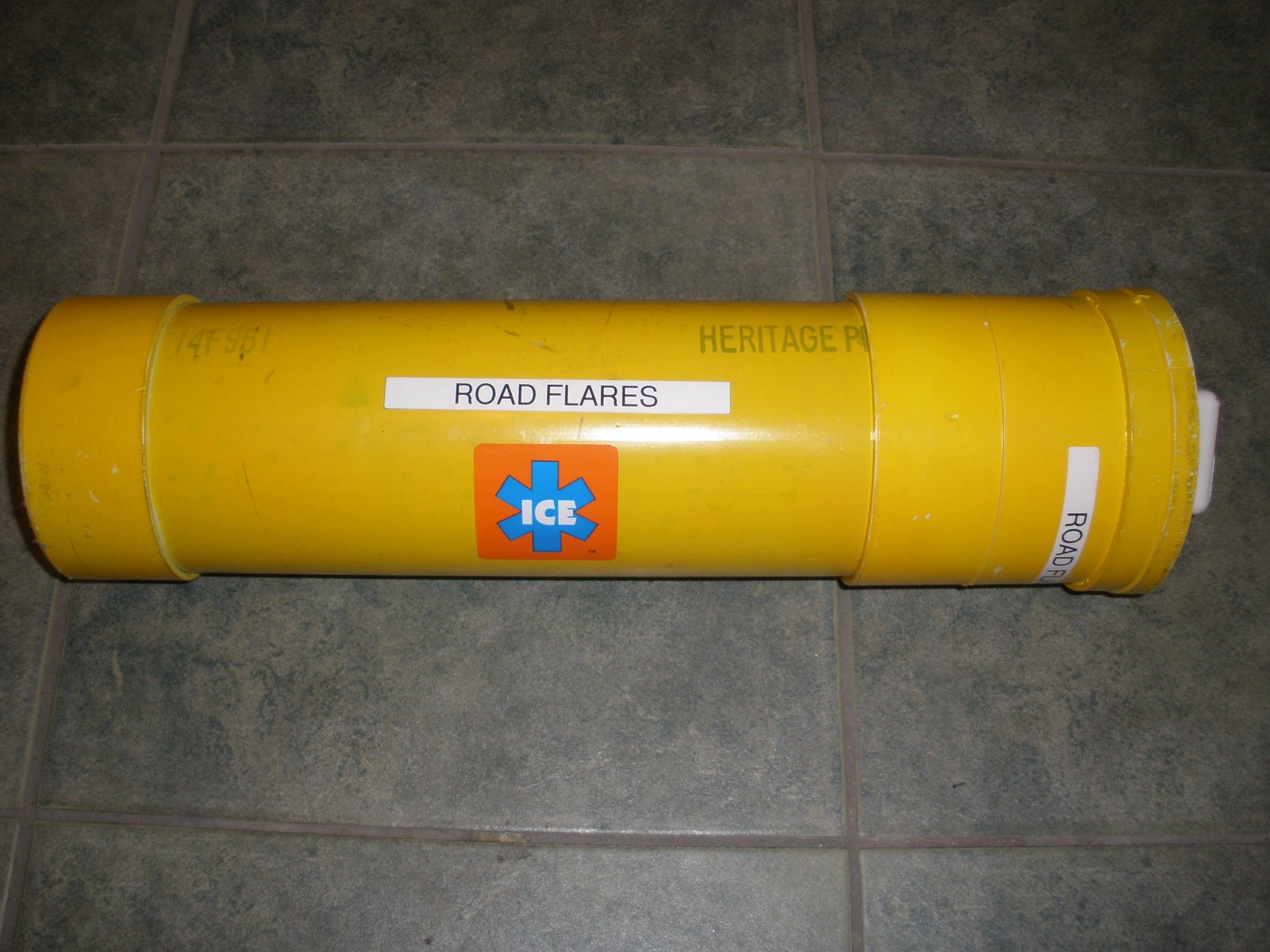
The simplistic - less than detailed suggestions that you might get from certaingovernment entities or the fluff safety sites do you a disservice and likely insult your intelligence.  Here are some pics and some basic tips.


Mobile Phone Charger - make sure it is for the phone YOU are using and Label it as such.
All current model phones if not activated - can be used for 911-ONLY Calls
Keep old phone programmed with Emergency Numbers and Charged/Spare Charger - Label With an ICE Sticker & 911-ONLY. Store in Sealed Clear Container


Blankets - Synthetic or Wool - NEVER COTTON.
Mylar Rescue Blankets Reflect Heat and Take Up Far Less Space
Best Bet - If You Can Afford Them - Sleeping Bag - Synthetic Fill or Down (Lighter-Smaller)


Flashlights - LED Headlamp would be a smarter choice - one that is powered by LITHIUM Batteries - CR123 Cells  Get High Quality Polymer Flashlight (Laser products) that operates on CR123 Cells - they function at lower temperature.  
 
Spare Batteries - Yes -  spare Phone Battery as well Place Purchase Date and Self Imposed refresh date on container.

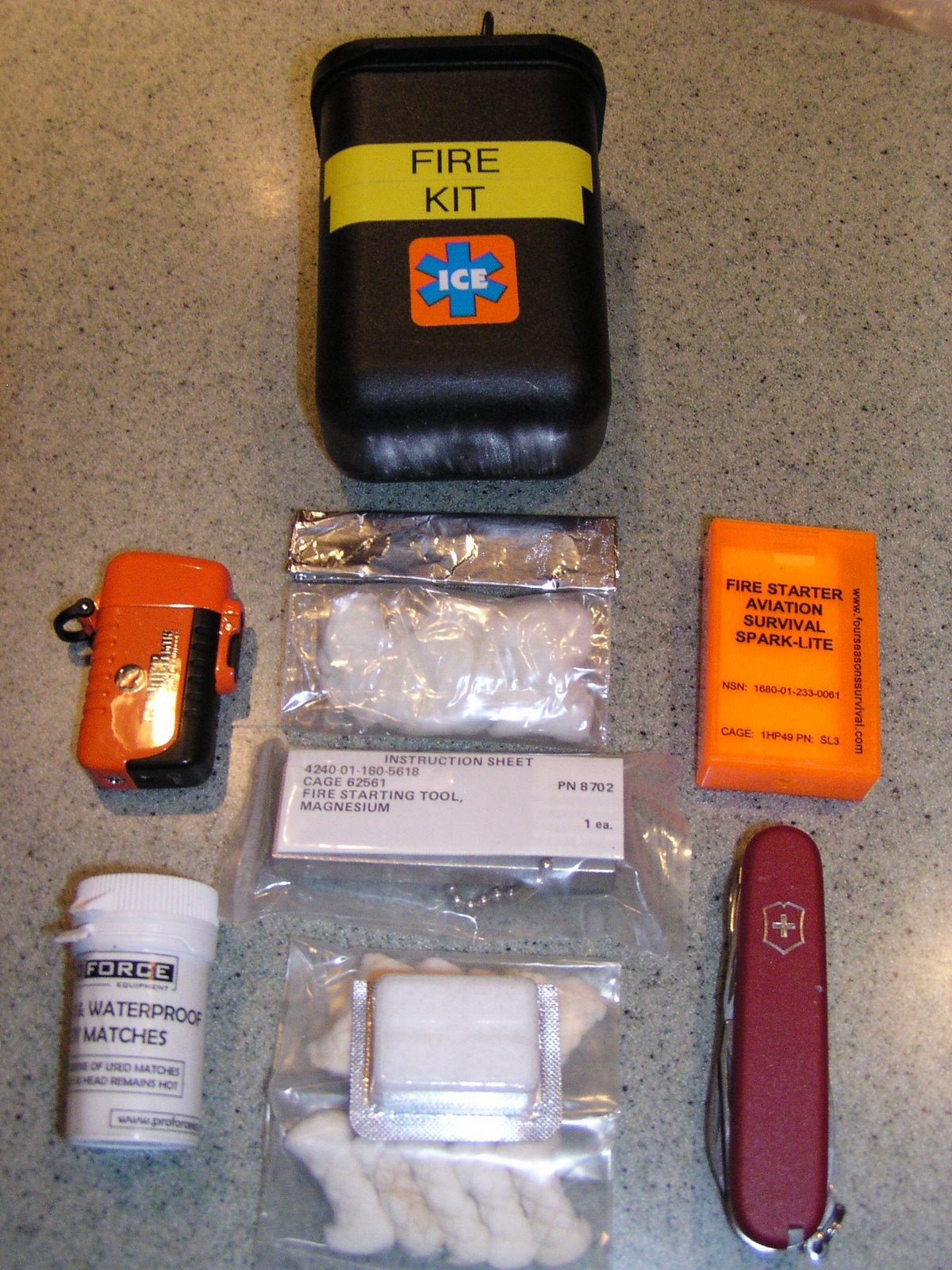
Candle - Carry a 120 Hour 3 Wick Candle as Well for Heat/Cooking and Light Waterproof Matches Sealed in a Container With Strikers or even Better a Survival Butane Lighter - Windproof Model for Fire Starting

Tools: Good Survival Knife from Gerber, Buck, Leatherman Tool - Standard Tool Kit - once again, no junk as it will fail. Duct tape, paracord, screwdrivers/torx/allen/wrench/multisocket tools/fuses/plastic sheeting or tarp to name a few.
 
Signalling:  30 Minute Fusees, LED Flashers or Marine Strobe Lights - Especially Useful if on the move or you need to start a fire in wet weather.  A Survival Mirror wold be helpful but you can use the vanity mirror on your visor.

First Aid Kit - Make it Yourself - the store bought Ones are usually insufficient except for scratches - likely you are off the road and injured. Adventure Medical Kits are available in sporting stores and online - start there. If you take meds you better take a supply with you before you trek off through the mountains like some diabetics did last year....foolish.

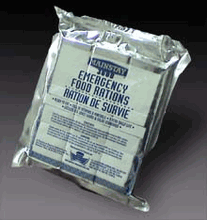
Food - Solas Rations (Boat Rations) should be stored on board - they take up less room and are made specifically for this reason and spoil on you. U can get 3 days worth about the size of a laptop. If you are going for a ride of course take some food to eat along the way and to have for an emergency as well. you could store MRE's in the winter months if you have the room.

Food Prep: Get a small mess kit from Gander or Boy Scout Store or an old military surplus canteen and cup to cook anything else you might happen to acquire and be able to melt snow. You might be stuck longer than you think.

Water: Without Water You Die - Simple. store Treated Water on Board Have a Way of Purifying water you secure from melted snow or streams. Learn how to use it beforehand.

Clothing - Synthetics are Best - Thermal Underwear/Socks/Liners/Wool WatchCap/Sythetic Full Hood-Mask/ Mittens-Liners/Spare Underwear / Down Jacket - NO COTTON. Package in Stuff Sack or Backpack - Always carry a pair of season appropriate shoes/boots in a bag with socks inside already.

Sand/Litter - You call on that - consider rock salt mixed with the sand - carry in a durable container - you will get friction if you use it....best of both.

Jumper Cables - When you are rescued you likely will need a jump start - select the largest gauge cables you can find if you have a large battery (6 GA)

ICE Scraper - We would hope you had one of these already either part of the extendable snow brush or along with your snow shovel.

Snow Shovel - Don't rely on junk - it will break - instead get a short wood or plastic handled flat steel shovel (aka "banjo") for about the same price
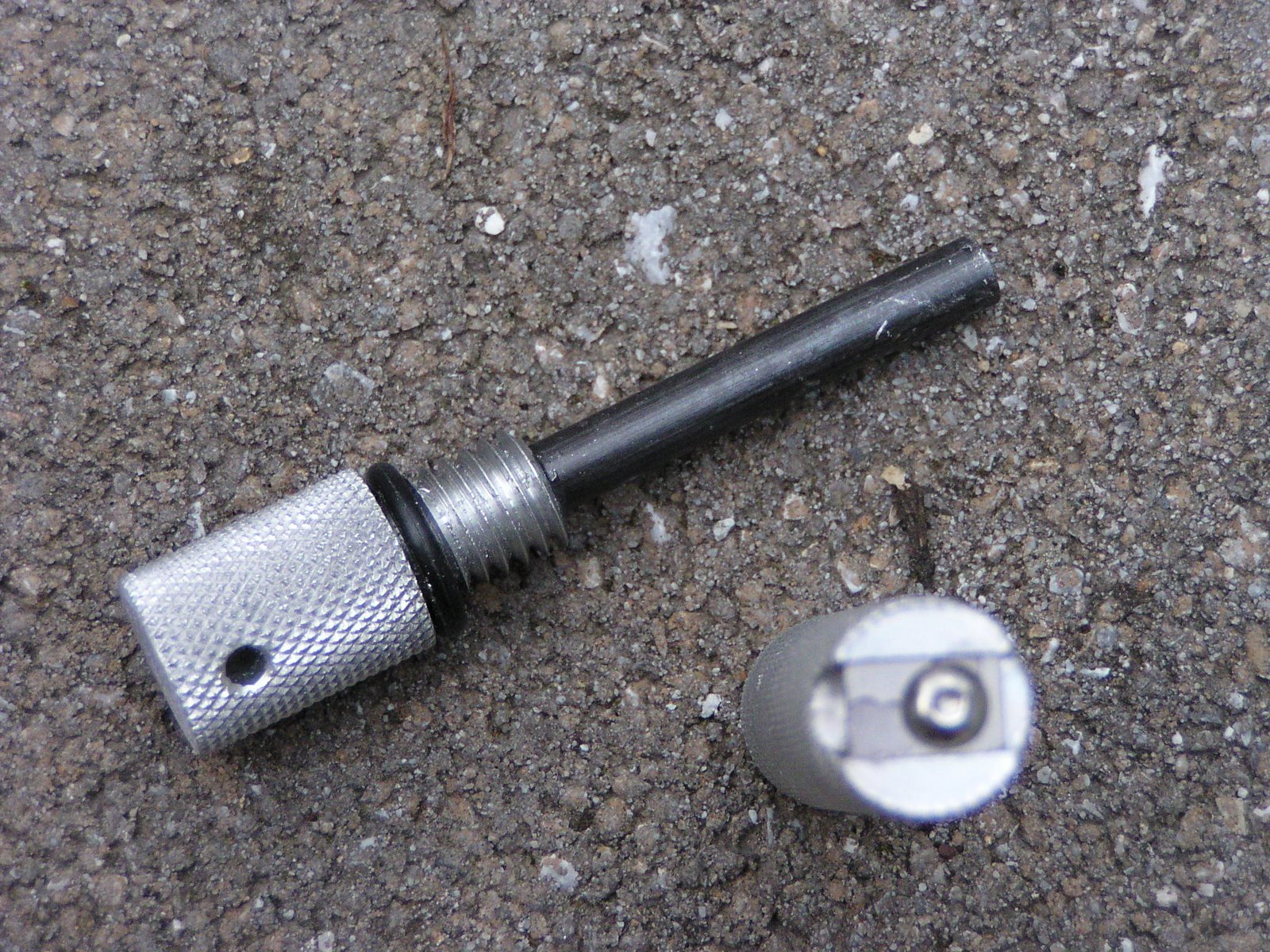
Fire Starting Kit - Windproof Butane Lighter, Boat Matches, Striker Kit, Solid Fuel Bars, Magnesium Striker, Waterproof Case (like Military Decon Kit or Snap Lid Box)
 
Compass/Map:  Sure your phone had those features but it is broken...and maybe you subscribe to a vehicle safety system...or maybe not. Last resort....map and compass.

Sanitation: You will begin to stink in a few days and you will have to relieve yourself...go outside or stay inside - make preparations for that...Wag Bags, Old Drink Containers and of course - toilet paper.

You can certainly add more gear as you see fit but this is a minimum kit. 
Of course make sure your vehicle is up to the task and you have it properly serviced and all your spare tires and parts are functioning or on board.
 

Thursday, January 3, 2013

Winter Fire Safety Pleas Unanswered ??

Happy New Year!

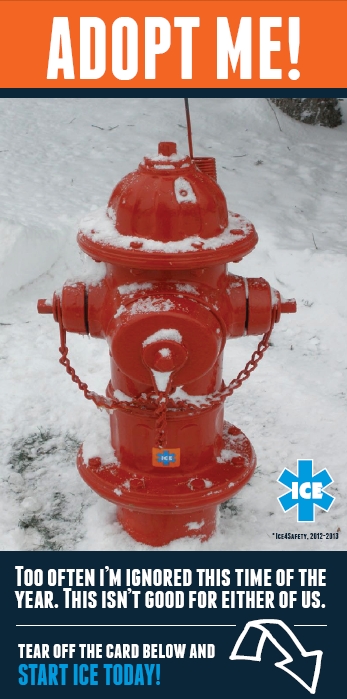
Every year after a large snowfall we hear the same lament by Fire and Public Safety Officials for people to clear out Fire Hydrants all over the county!

Think....if there was an incentive and more community pride inspiring people to get out and do this automatically we would likely not hear this repeatedly.

With less and less public services being the norm and fewer fire volunteers,  doesn't it make sense to encourage citizens of a town or city take part in their own safety? 

We think so.  We have a workable solution.

Consider that in a mere five minutes a fire chief is likely by policy to pull firefighters out of a structure where they are fighting a fire due to water running low (250 of 500 gallon tank) in the pumper......5 minutes.....then they fight the fire from outside.....
But if your fire hydrant was cleared away because neighbors pitched in to clear their adopted hydrant(s) it might be a different story.

We can provide communities with thousands of super durable outdoor reflective ICE Stickers, adoption forms, posters, banners and personal ICE Safety Kits that agencies can acquire inexpensively to solicit donations and get people interested in taking care of themselves......or they can continue this plea every year to no avail.

Community Groups or Private Businesses can so easily initiate such a program.
ICE is ubiquitous and there are so many other uses for this highly recognizable program.

Read the article about a Northern NY region where buried hydrants are the norm.

http://www.watertowndailytimes.com/article/20121231/NEWS09/701029979

Monday, December 24, 2012

Fire Safety - Adopt-A-Hydrant

Did you all notice the SNOW?

We did.  Do you still think your Fire Department is responsible for removing snow around Fire Hydrants near YOUR Home??   Really? 

Ask yourself...how long will it take for a fire to consume your home or business while firefighters are shovelling out the nearest hydrant. 

Now ask yourself why your community doesn't have an Adopt-A-Hydrant Program promoted by ICE4SAFETY?  With the new Generation 2 Reflective ICE Stickers you too can have a seriously stylin' fireplug in your neighborhood!

Seriously though, you also don't need snow to sponsor a program - just being a responsible citizen will do.

Contact us and we can help you get this self sustaining fire safety program in your community ASAP!

Tuesday, November 27, 2012

New Fall Protection Rule for Roofers

Why Fall Protection?


For Roofers – falls are the number one cause of serious physical injury and death. There have been many different opportunities for workers to fall off roofs – be it roof edges, ladders, open holes, sky lights.

Over 70% of deaths in the roofing industry have been caused by falls. These were largely a result of not using any means of fall prevention for workers. 

New Fall Protection Regulations Governing Residential Roofing Contractors go into effect December 15, 2012.

Once a fall begins – it is virtually impossible to stop the fall yourself. It is impossible due to one of the unbending laws of physics – gravity.


Typical human reaction time is about ½ second - even in this short time, the distance and forces accumulated are considerable!

In .5 seconds you will fall roughly 4 feet and the force on impact (if you struck the ground) would be 3,200Lbs! There is no way a human can recover and self-arrest a fall when acting against these forces.

Let’s look at a chart of Fall Distance vs Arresting Force on Impact for 200 pound roofer.

Fall Distance           Time         Arresting Force7.6”                         .10 sec             512 lbs

17”                         .30 sec             1,152 lbs

31”                        .40 sec              2,048 lbs

4 feet                     .50 sec              3,200 lbs

6 feet                     .62 sec             4,800 lbs

8 feet                     .71 sec             6,400 lbs

10 feet                  .79 sec              8,000 lbs

As your fall progresses, the speed at which you fall increases as does the forces of impact that will be exerted upon you when you hit the ground.

You will only stop when you hit a lower surface – be it the ground or another roof/vehicle etc.

Sunday, November 4, 2012

Impact of Storm and Preparedness

Cable Commentator and Long Island Resident Bill O'Reilly, captured the essence of the Storm Impact and being prepared last week:

Here's the big lesson from mega storm Sandy. Mother Nature sneers at high tech, mocks modern convenience and couldn't care less about what kind of person you are - she will smack you if she wants.


Many of us have forgotten about nature as we have become addicted to machines. We must have gizmos. Sandy laughed and took them away. Power, gone. Internet, dark. Cell phones, not happening. Even your landline phone - not available because "all circuits are busy."

Suddenly, it was 1850 with one exception: battery operated flashlights and radios.

So what is the lesson here?

Well, actually there are a few. First, that no government agency can help you when disaster strikes. Any assistance will be after the fact and painstakingly slow.

Second, that in order to ride out any storm effectively, you should be self-reliant and resilient. That means you have to anticipate problems and have some solutions at the ready.

For example, where I live on Long Island, the power infrastructure is a disaster and has been for years. The power company, LIPA, simply cannot keep the juice flowing under any duress. I have accepted that, so I bought a generator. However, during Sandy, the generator did not work. You can imagine how many four-letter words were uttered. But, I had a Plan B. I know some guys who can repair generators, and they fixed mine very quickly. I have a long-term relationship with these guys and will reward them.

So, I rode out the storm pretty well, and that's good because there are children in my home.

Never one time did I think the local, state or federal government was going to help me in any way. When President Obama speaks about government being there for you, I roll my eyes. In the history of mankind, no government has ever been there for the individual. Ever.

Sadly, we are becoming a nation dependent on other people, and very reliant on machines. Sandy's destruction brought us back to the 19th century, as the collapse of the machines was something to see. Many people were lost without their appliances because they are not self-reliant. They also do not think ahead. They do not figure out Plan B because they don't even have a Plan A.

Life is hard, and then you die. But, while you're alive, you'll be far better off if you forget about the big government nonsense, deemphasize the machines, and begin incorporating the discipline of self-reliance into your life.

Sorry for the lecture, but my father always said that out of bad things can come some good. Americans need to wise up, and with the election just a few days away, we have an opportunity to do so. We the people need leadership that will solve problems, be fiscally responsible, and promote individual responsibility. The charlatans that promise big government protection will always be around, but are no match for Sandy and her furious friends.

That is the lesson of this terrible storm.

Friday, October 12, 2012

Your Safety Harness Has an Expiration Date!

Fall Protection - Safety Harness - Expiration Date - Important!


Full-body safety harnesses are a highly effective and reliable piece of any fall protection plan but, while you may frequently inspect and maintain your safety harness, it will only be safe to use for a matter of years — five years according to the majority of manufacturers.

(Note: These recommendations do not apply to safety harnesses that have visual damage or have been exposed to chemicals, abnormal heat, or excessive ultraviolet light. A damaged harness can and will eventually fail.)

Although a well cared for or seldom used safety harness can last longer than five years, it is still recommended that you remove it from service at the five year mark. Not only may your safety harness be out of warranty, but you have no way of knowing that the internal structure of your safety harness is sound — even if it’s passed regular inspection and shows no outward signs of damage. When it comes to personal fall protection, it’s always better to be safe than sorry.

To ensure that your safety harness makes it to its expiration date, store your harness at room temperature away from all chemicals, moisture, ultraviolet light, and anything that may cause damage when not in use; regularly inspect your harness and perform any maintenance that may be required, even if you think your harness is good enough to use.

After your full-body safety harness has reached the end of its life expectancy, remove it from service and dispose of it in such a manner that it can’t be mistakenly used in the future. Keep your equipment in good shape to keep your work site safe.

Source:  http://www.ezsafetysupply.com/safety-harnesses

Tuesday, March 6, 2012

Emergency Symbol Recognition

Emergency Symbol Comprehension


ICE4SAFETY’s trademarked emergency icon was created in 2005 by safety professionals wanting a “Best Practice” highly recognizable and memorable symbol to represent emergency preparedness.
This is especially important for our highly diverse as well as our aging members of society who may find some of the new safety symbology confusing.


We believe we created a very useful and easy to understand representative safety icon and here is the short form reasons why:


1. Symbols should be visually simple & representational. Simple and direct is best.
ICE symbol is comprised of bonified safety colors (Orange, Blue with White lettering) found on OSHA/ANSI signage. ICE represents medical emergency preparedness and reflects the extensively used NHTSA “Star of Life”.  ICE = In Case of Emergency.

Independent study has shown that the term “ICE” is widely recognized by the majority of American citizenry. The concept continues to get coverage in the national media. For those who may not be immediately cognizant of the symbol’s meaning it is a simple and easy task to understand and recall in an emergency situation.

2. Increased Complexity should be relevant and necessary in communicating the symbol’s meaning.
We kept the symbol simple. One need only recall that ICE and Emergency are synonymous.


Text denoting ICE is in plain sight – not obscured by any other symbology, notices, graphics or distracting irrelevant terms such as advertising.
In fact any such sponsorship of the printing of ICE images is relegated to one line (only) of non-distracting text on the bottommost edge of the symbol. Creations of promotional materials for community groups or EMS/Fire is strictly that – promotional. Actual use materials are strictly function oriented. Once again KISS.


3. Symbols should not be arbitrary if they are abstract.
The six bars of the NHTSA Star of Life and safety color scheme are representative of safety in all sectors of our society and have been for decades.

4. Using abstract or arbitrary symbols – using contextual or verbal cues in design may facilitate initial symbol comprehension and increase training effectiveness.
Training and awareness “uptake” for the ICE symbol representing emergency preparedness, workplace safety, emergency medical-contact and related safety/preparedness uses rapid and long term. We advocate KISS and REDUNDANCY as prime concepts of preparedness. The use of “ICE” is promoted for cell phone use and is incorporated in phone design and as an ITU international communication standard E.123 that electronic devices are programmed to recognize by design. 

5. “Learnability” can aid in selection of the best symbol from a set of symbols of similar comprehensibility.
One need only review a list of the various symbols used on jobsites and workplaces to see there are conflicting and confusing symbols that can be misunderstood. Not with ICE.


Learning what ICE represents can be as easy as one 5 second training at a visitor station at any hospital, workplace, business, school, vehicle safety, government facility or home. It IS that simple. A doctoral study in hospitals in Amsterdam has shown that even an uninformed medical professional easily comprehends ICE and immediately agrees to the use of this term and the concept of preparedness that is represented. 

ICE4SAFETY appreciates the support ICE has received and for the continued interest and use in community safety programs.


Recommendations for symbol design were adapted from an article by fellow ASSE members in the March 2012 Professional Safety Magazine - The Aging Workforce by Mary F. Lesch, William J. Horrey, W. Ryn Powell and Michael Wogalter. Page 45-49 www.asse.org

Wednesday, February 22, 2012

Latest ICE Device!


Check out the latest licensed ICE Product......theICEDevice

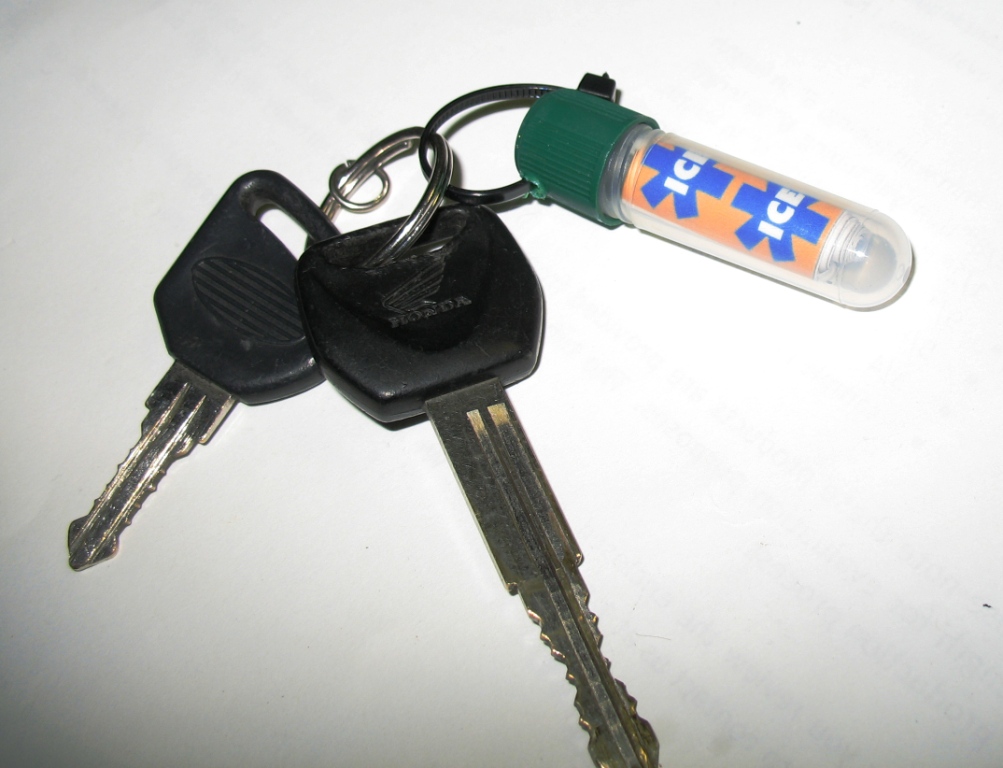
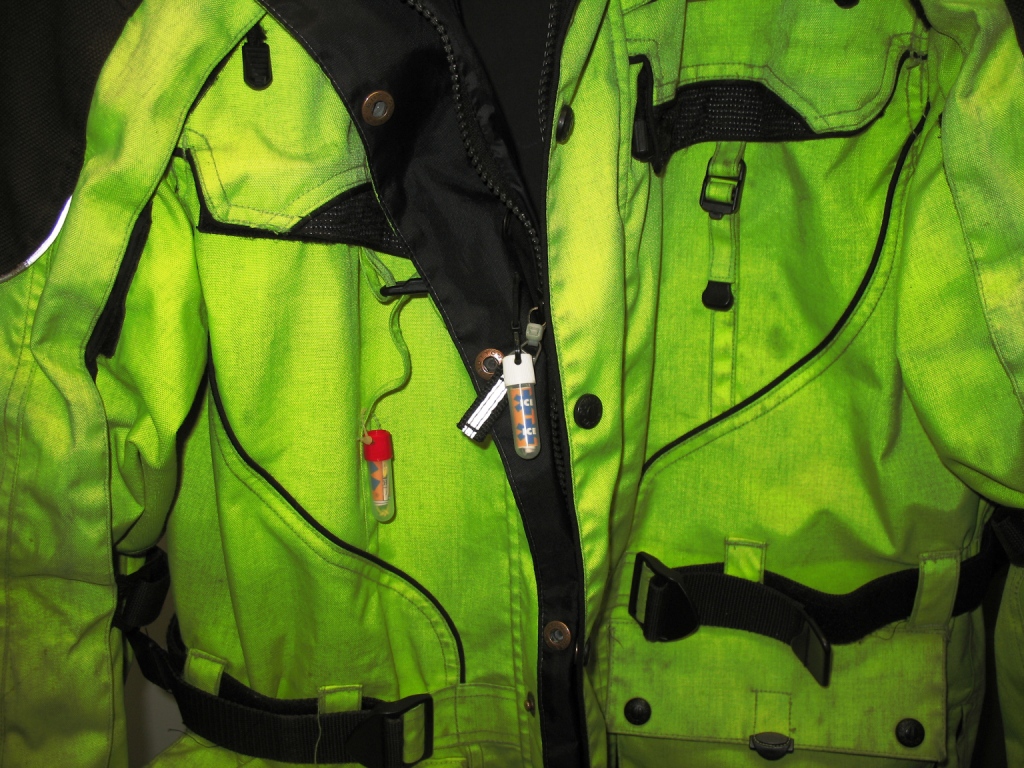
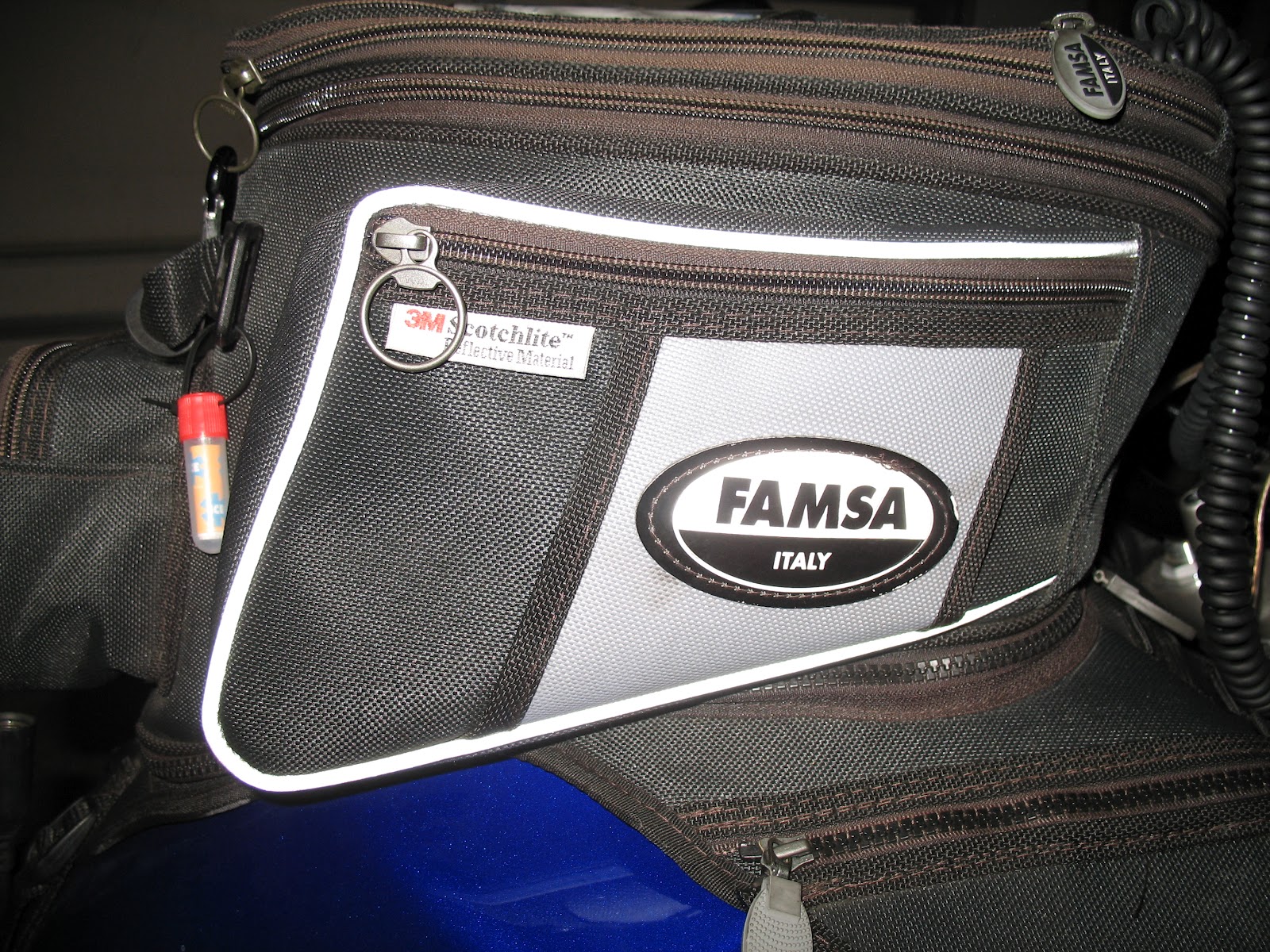
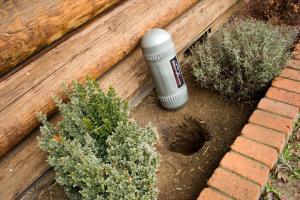
Clear plastic tubes secured to your gear with emergency medical and contact info safe inside.  See pics below....

Find them at http://www.theicedevice.com/


Tuesday, March 22, 2011

Critical Info Form - DIY

ICE4SAFETY has had this Excel based spreadsheet tool online for several years now and it is still a relevent document in light of all the potential for catastrophe to occur resulting from one source or another....you will find it here on the DIY Forms Page

It is meant to be used by one or more family members.

You could complete the form as is or modify to your specific needs as directed in the "Read Me" comments inserted into the document. Once completed you can upload into a USB Drive/DVD and secure with your as you evacuate or secure underground or in a safe or with trusted relatives or maybe a copy in a bank vault.....all the time remembering that the information would be a gold mine for identity thieves.


No subscriptions required - no fees to pay - no membership to enroll in -no third-party to call - you control it. This is strictly a DIY tool.


In the event of an emergency requiring an immediate relocation you could access this info and take it with you if it were on a USB or portable secure drive. You could also place this information on an online file sharing database or backed up on a paid service that does this. If the internet is down or access is not available you could still have this information with you to help begin the timely and more orderly reconstruction of your life if your worldly possessions were destroyed. (it is also a great way to get organized - especially if you are sick.)

Friday, March 18, 2011

Emergency Operations Manual

Sample Emergency Operations Manual
Critical information for the operation of  emergency equipment for industry is usually located in well defined, easily recognized and often mandated binders, manuals or laminated placards in close proximity to the equipment.

Many workers in construction industries often don't read the instruction manual for the tools they use - often leading to serious injury or death.  We know this for a fact. You should read all your manuals after installation or storage and it is a good idea for everyone who may be required to use the gear to also become familiar with the manuals as well as have hands on experience that you can "exercise" in one of your preparedness drills

The average homeowner may have operation manuals for equipment located in a variety of places throughout the house or outbuildings or if organized it might find a notable place in a file drawer.  
We recommend a simple color coded file system to help identify various info in paper file form.   Under stress and when your home is in shambles, locating operating and troubleshooting instructions for such equipment as back up power systems, generators, custom electrical installations (wind/solar/turbine etc) needs to be expedient. 

Emergency Manual Cover Form
People afflicted with "normalcy bias" or  "it won't happen to me" syndrome may assume others already know what they know. When disaster strikes and they are not available to figure everything out, the operation/repair of the equipment may be relegated to a spouse, child, relative or neighbor who may not be as knowledgeable or skilled.  In some instances your family's safety and continued comfort might rely on a total stranger or "new friend" with skills.

Communications may be down (you can safely assume THAT) so having essential info in a conveniently located and easily recognizable binder will help make sure locating it is easy.  A secure but acknowledged family location for emergency gear and info can also help.

We suggest service company contact info (business cards), typed out procedural lists, inspection checklists, safety warnings and other reference / service manuals (example above).    This manual can/should be in addition to important info laminated or bound and already stored with the equipment.  

Always try and remember - Redundancy.

One surefire way to instantly recognize your binder as pertaining to emergencies is to have the ICE Logo on it.....that is what it was designed for.  Training is a snap.....everything identified with the ICE Logo pertains to emergeny use.  Simple.
Fancy artwork or cute graphics symbols usually add to the confusion.  Industry standard MSDS binders are simple too.   

You can certainly create a binder like this for home.  We have added a cover page (see above) you can download and print to use that incorporates the ICE Logo already - it's ok to use in color, b/w or grayscale. 

One line is for your home address/name and you can define the other system or equipment you wish to include here....you may want to identify emergency and non-emergency info using color coded systems. 


Some typical suggestions:
Back Up Generators
Solar Chargers
Sump Pump Systems
Septic Systems
Water Systems
Inverter Circuits,
Chain Saws
Flood Water Pumps
Storm Shelter Operation
Phone and Radio Systems
Plumbing/Water Filtration Manuals
Emergency Respirators
Vehicle Operations (ATV, Boat, Tractor, Truck)

Download cover document.    Check out the other useful info on site there as well.

Monday, March 14, 2011

Drill Baby Drill!

Seasonal time changes ( Fall Back - Spring Ahead) can be a good time to schedule a preparedness drill of some sort.  You may not be prepared for a full scale "shut down" or "bug out" drill but not to worry. 

The whole point of conducting a practice drill is to be able to assess strengths and weaknesses in your preparatory plans and implementation.  Drilling also provides some essential insight into your ability to cope with and interact with others (family, neighbors, local businesses, utilities or otherwise) that you may rely on in an emergency situation.  

Never has there been such an emphasis on preparedness since the Japanese earthquake / tsunami / nuclear catastrophe this month.  It is absolutely one of the worst events in our lifetime.....unfortunately, that is what it takes to get some people motivated to take  care of themselves and overcome Normalcy Bias. 

You can conduct drills in many ways bearing in mind the whole purpose of doing one is to strengthen your ability to respond to a crisis. What you prepare for unless it is very specific usually never occurs as you may anticipate but your planning and prepping and drilling activity allows you to better adjust and ultimately previal. 

There are some instances where your ability to survive just may not be possible and you have little if any control.  Those should be considered in your overall assessment and you can make preparations for your survivors as sorry as that sounds. 

Limited action or focus drills can be done more often - some examples:
Loss of Power
Loss of Potable Water
Loss of Sewage
Stores Shutdown
Equipment Breakdown
Vehicle Emergencies
Weather Emergencies
Food Shortage
Responsing to an Evac Order
Fire Safety
Natural Gas Outage
No Internet Service (some may consider this an emergency)
Phone System Outage
Street Egress Closed Off from Flood, Downed Trees, Snow, Utility Lines Down
Emergency Evac from Work to Home
Emergency Evac to Tornado/Hurricane Shelter

These are a few limited focus - limited event incidents that you can engage the family on to assess your readiness and state of preparation.  This won't turn off the kids or tire you out just thinking about it. 

In a major catastrophe many if not all of these will take place.  Don't overwhelm yourself at first - undoubtedly those new to this preparedness activity may want everything to be resolved immediately and their prepareations to be completed in one fell swoop.  It is not going to happen because it is a dynamic process and not a static event like preparing for a birthday party.  Things change, stuff happens and you need to go with that flow as well.  If you begin by biting off smaller components and having some success at it can help build your confidence and encourage you to continue with others.

Public Shelter

We've been in the preparedness mode since Scout days and have been working at being prepared ever since.  Don't be discouraged.

Saturday, March 12, 2011

Radiation Exposure - Potassium Iodate

IOSAT Anti-Radition Medication


Nuclear Radiation incidents in Japan as a result of the massive earthquake there have prompted people here and around the world to review their planning for such an event. 

Japanese authorities are distributing Potassium Iodate tablets to citizens in the country where it is most likely radiation exposure would occur. 

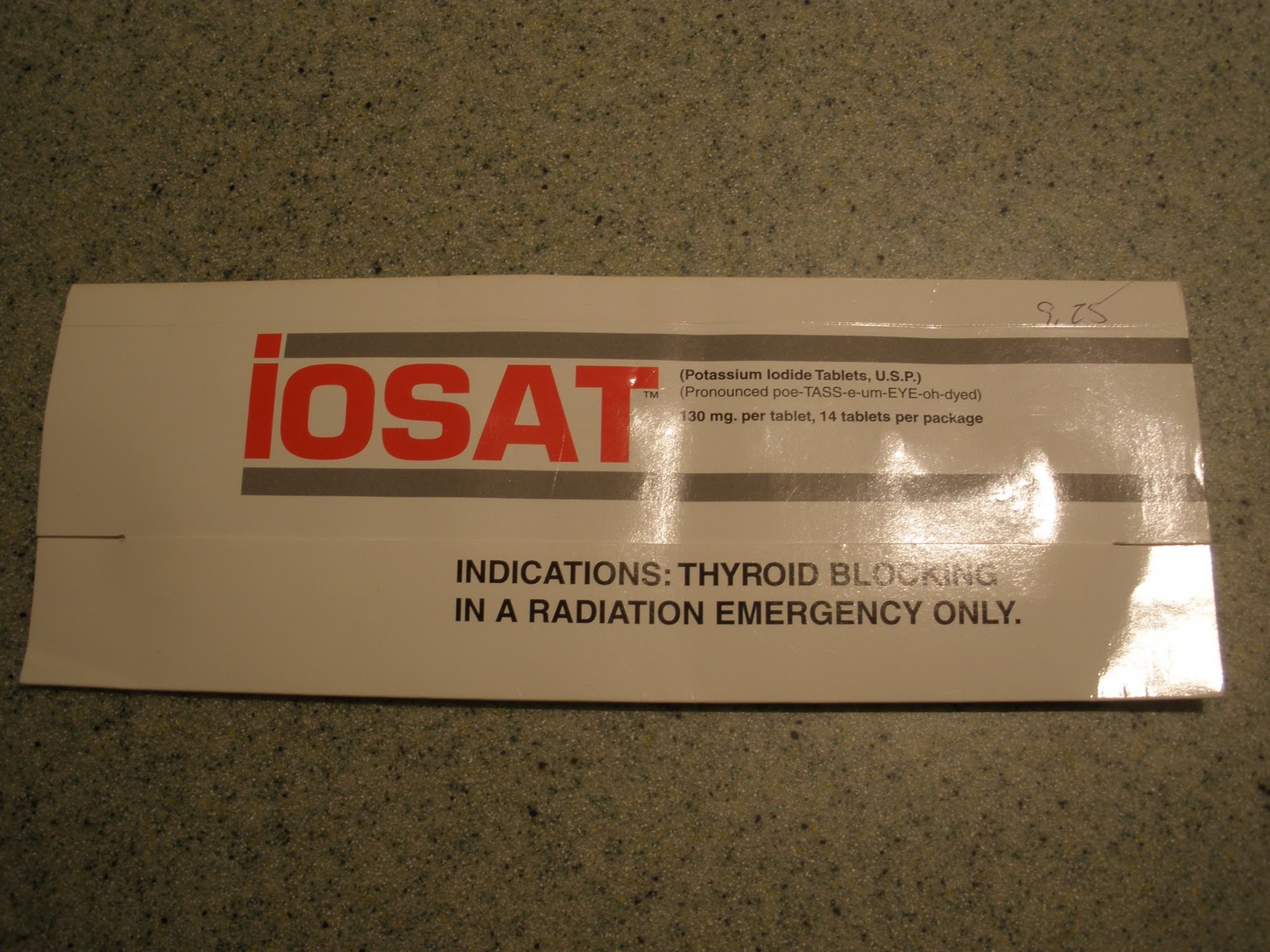
These are some "expired" samples from a friends Bug Out Bag.   The IOSAT Brand has been around for a long time and you can usually acquire them at pharmacies.    You can buy a variety of anti-radiation pills online that block absorption of Radioactive Iodine into your thyroid.

Read the FDA Guidelines on these products here:   http://tinyurl.com/4lbb52m 

CampingSurvival.Com has these available along with some other anti-radiation products, detectors as well as a very detailed explanation on how radiation affects your system and how this product works.

http://www.campingsurvival.com/iospotiodapp.html

We might suggest that if you are conducting a "drill" today you consider your actions in such an emergency and how you have prepared to evacuate or shelter in place. Many of us are living close to such reactors.

Pray for those people in Japan who have literally disappeared as a result of the earthquake and Tsunami.

Friday, March 11, 2011

Food Stores - Canned Meat

If you like many others you are planning for an extended duration without access to food and you'd like to maintain a suitable variety of edible selections for a "stay in place" or stocked cabin somewhere. 

In any event you will likely be wanting some meat products (unless you are an avowed vegan) to supplement the bark and twigs you stored up in your survival cache. 

Dehydrated or freeze dried meat is fine, they are usually associated with an entree of some type but can be acquired in #10 cans of diced or chunked piece.

Problem is that these canned dried meats are now super expensive ($40-$60 per can) and there seems to be a 6 month waiting period from some suppliers.  Once you open a large can of dried meat means you are likely to have to eat it all in a week or two according to the label.  If you have a family that should be easy enough to do but if only 2 or less ell you might opt to vary the menu more

Note that a switch overnight to dehydrated foods from your normal diet may produce some unexpected gastrointestinal distress until your system eventually adjusts. That is why trying some of the various entrees ahead of time and on hiking trips is recommended.  Try to incorporate that into one of your emergency drill weekends, no power, no luxuries and use some of your stored foods.

You are also going to need fat in your diet if you plan on being healthy long term so don't be storing up a ton of fat free food in your basement - you'll likely expire.  Meats will provide those essential fats.

Enter longer term storage canned meats. 


Keystone Pork
 As a component part of your stores you would want to have a familiar foodstuff that is easy to transition to and that can help flavor the diet extenders such as rice, pasta, soups and breads. We have tried some of the Amish canned meat products - often hard to get in quantity - but very good.  We even found that the ground beef better than the average fair at the grocery store. 

We recently tried the Keystone Canned Pork.  They are located in Lima Ohio...been there.
This product was processed for long term storage - at low temperature storage of 65 degrees or less we could safely say 5 years plus is easily accomplished - as we have eaten Dinty Moore Beef Stew well past expiration with no problems......it looked more like dog food but tasted okay. 

Some canned foods have been consumed after 40 years of storage - but let's not push our luck.

This was simply prepared by heating in a skillet and adding some barbecue sauce (Jack Daniels) and the texture, flavor and appearance of the product was as described.  In fact it looked so good we forgot we were testing it and ate it without first taking a picture of it in the skillet. Sorry.  We'll get more and place a pic here.
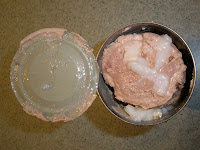
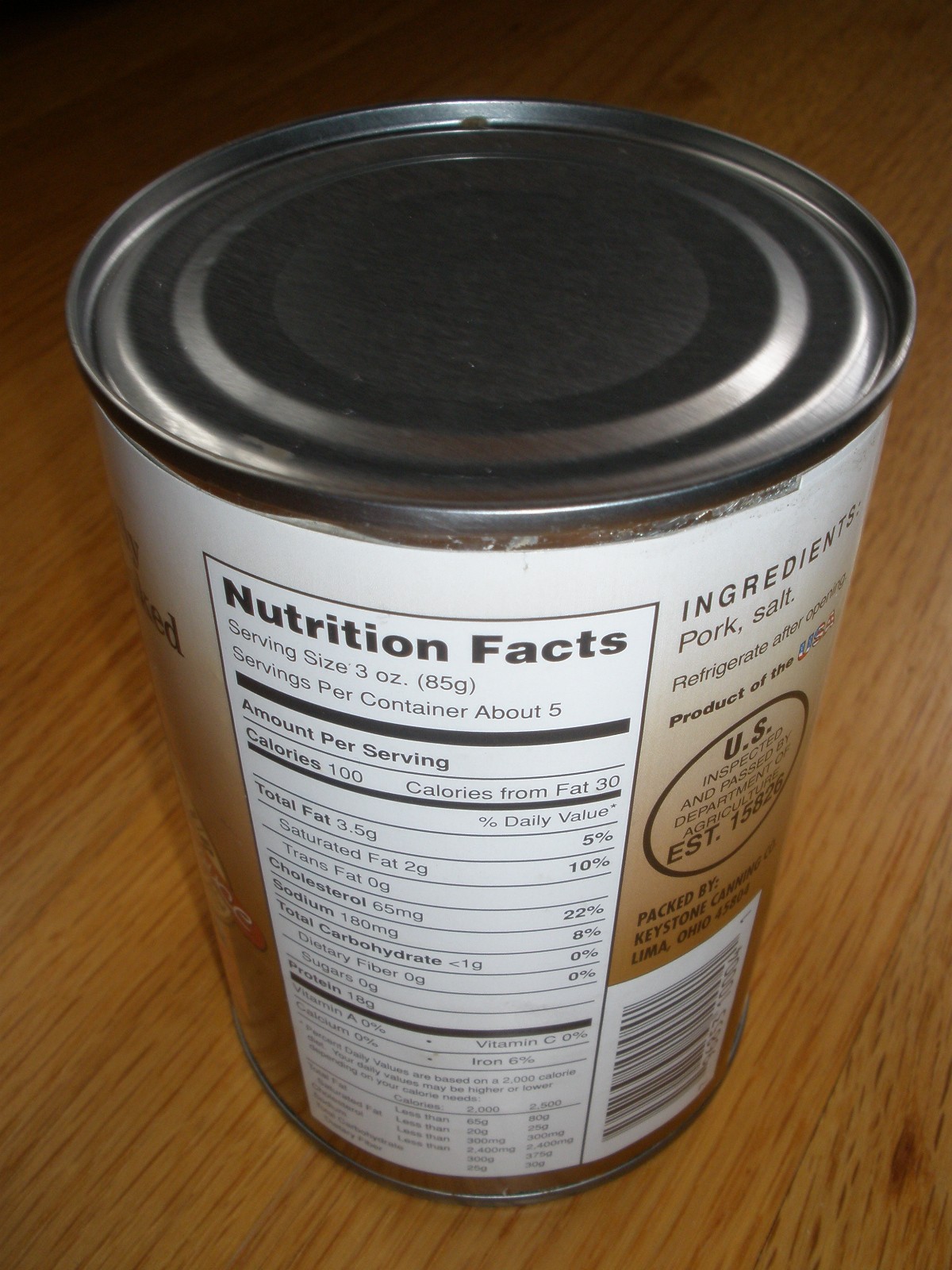
Pork and Salt

What you should consider is getting as much meat as you can afford to get (45-50lbs or equivalent per person per year of meat is a good rule) for you and your family considering the time frame you wish to prepare for. That is not a lot, but just enough to fulfill some dietary requirements for protein and fat.

We would suggest you get a variety of chicken, ground beef, beef chunks, turkey, pork and rotate the stock if you have a reliable source of this product.  There also is nothing like real broth to extend your dishes even further.  We noted the contents of the Keystone Food as nothing but meat, salt and the can. Having this flexibility in your meal preparation if you are sheltering in place,  suffer a downsizing, long term disaster or ailment this is better than insurance. 
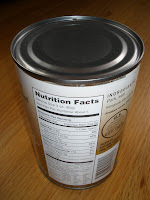

Protein, Fat, Cholesterol
Larger cans are good for larger families and smaller cans are good for 2 person homes - figure on having "company" of some sort during hard times and also in a severe situation you might need to barter a small can of meat for something else you may need more like medicine. 

Food Rotation Tip: 
Place the Purchase Date on Can as "P"  and the date - P3-10-11
Write the Expiration or Best if Eaten By date as -         X5-25-14
This will give you two reference points as to which cans to consume first.


Food prices are going to go up not down anytime soon - we found this on sale at CampingSurvival.com    and they have some recipes there as well.

We plan on testing the Broth and other meat selections next....if they are as good as the pork....this should be good eating.

Monday, March 7, 2011

Free ICE Kits - Still!

We have been doing this free giveaway for quite some time now....this public service is available to anyone who wishes to benefit from it.  

Here is what you get presently......forms, stickers, cards, card holders......for the price of two stamps.....and two envelopes (business size #10 suggested). 

If we are feeling generous or we get a nice note,  we often squeeze more into the envelope as many have found out already.   

CampingSurvival.com has been generous enough to sponsor a variety of free items for many people.  For that we are grateful.

Thankfully the freedom of our capitalist system allows us to provide this public service just because we want to.  We hope to continue.

Winter Storm Safety - Fire Hydrants


When you have finished with these...please unbury your fire hydrant!
Winter is still here.

Friday, March 4, 2011

Product Evaluation - Kaito Voyager Radio

Radios - you'll likely need one WTSHTF. 

Some are worthless in an emergency and often lack the sensitivity to receive channels or only get AM/FM. 
Some are simply junk giveaway items or have fragile parts that break - ok, actually most of these are plastic and fragile unless you are buying a multipurpose VHF/UHF/MURS professional transceiver...


We don't want to sound elitist here so use whatever you can afford.  If you can afford a radio for around $50 then here is one that has considerable utility and may prove a lifesaver.  People seem to be able to buy $500 phones and $100 sneaks - so pop for one of these type of radios.
This Kaito also sounds good when played for everyday use so if convenient, keep one handy wherever you are. They come in different colors so each family member, vehicle, evac car kit or work location can have a different color if you wanted to differentiate them that way.

Pro:
MultiBand Channels in Easy to Read Analog Dial
NOAA Weather Channels - including a Weather Alert Feature
Fairly Sensitive Tuner in SW/AM/FM/Weather
Rechargeable Battery Pack - NiMH Shrink Wrapped
Back Up Battery Pack - Suggest Lithium Ion AA for Storage
Solar Panel charging capable
Hand Crank Charger  90 Seconds Provides 15 minutes of radio use
LED Lamps - mostly seem like a gimmick - be sure to carry a good flashlight/headlamp.
USB Charger for phones - used to charge on board batteries or power external devices.
External Power - AC not supplied but you can find spare adapters around.
Case is "rubberized" and it has a useful strap.
Antenna is secured inside case against breakage - it is not tunable - so move the radio.
Earphone Jack for private listening or if main speaker fails
Comes with a variety of popular phone charging plugs sure to become obsolete in short order as they always do.  Suggest you mark them up before hand and secure the one you will need.
Weather Resistant (not waterproof like boat radios)


Cons:
Battery compartment is fragile with tabs that break easily - use tape to secure it - you will not be using it often if you use the charger and store lithium AA cells on board.
Could use a protective carry case - find a cinch bag or camera case and make your own.
While it is "rubberized" we suggest you carry it in a bag/case as they are not built to conform to serious drop test standards


Bottom Line:
This is a utilitarian radio with useful features that can be used to support emergency communication in disaster situations and for short term use will provide a level of safety by self charging and being used to charge other devices.  Price is reasonable for the features.  Barely packable as it is not a compact radio but easily carried in briefcase to work, vehicle or other conveyance.  
We suggest you get the ac power pack for an additional $5.
You might also consider this radio to store in a faraday cage in case of an EMP attack.
 
Advertised Specs:
AM/FM/SW/WX Bands
SW 3.2Khz - 22.00Khz
AM 520Khz - 1717Khz
FM 88.0Mhz - 108.0Mhz
Double molded chassis for ruggedized style (Defect in battery bay door - breaks too easy - tape it shut)
Dual Conversion Receiver
Dial Control - For fast tuning
Rotary volume controls
5-LED Flashlight with Red SOS Function
Band indicators for all band
NOAA Weather Alert Function
3.5mm headphone socket
3 inches 7 W full range speaker with enlarged magnet
Dynamic Bass Compensation for rich bass
Powered USB Port ( Power goes in and out)
6 mm (positive center) 4.5-6V power adaptor socket (To charge the batteries or run the radio from AC)
WxHxD in mm/in: 204 x 128 x 66 mm (8 x 5 x 2.6 inches)


Where to Get One:
http://www.campingsurvival.com/kakadysopora.html

Use Promo Code "ICE" to get 5% off (which is already $5 less than most others online....)

Product Evaluation - FoxLok

Every now and then a useful preparedness DIY idea comes along and then someone improves upon it and markets it. This is one of those ideas……


With a property related crime occurring every 3-4 seconds in the USA and security costs rising like all else, people have resorted to a variety of different ways to secure or hide their property and valuables.

An essential element of being prepared is securing assets and critical information in the event of a loss from man-made and natural disasters. Struggling for months or years to reassemble your life as some others have had to do is not advantageous to your long-term mental health or physical well being.


Some initial thoughts on this device:


  • It is simple to use and anyone with property can take advantage of it. Even if you don’t have property you can use it in remote locations.
  • It is durable and made to withstand the rigors of being buried.
  • It can be used for other purposes such as securing gear on a boat or similar craft if need be.
  • You can secure cash, certain valuables, coins, data backups on CD or high quality MilSpec USB Drives and a host of other items.
  • Certain firearms can be folded up or partially disassembled and most handguns can be stored along with properly sealed ammunition.


There are many places you can use this device…camps, homes, remote wilderness.


Some precautions….if you live in flood prone areas or one is anticipated then you need to consider burying where it might not be subject to a river of fast-moving water or it could end up in another county.


Suggestions:
  • Photograph all the contents (not where it is being buried or pictured with the container) and leave some contact information inside in the event it becomes unearthed and an honest person finds it. Consider offering a reward?
  • If you are considering longer term burial, try leaving a foot of #2 round stone around the device to allow for drainage.
  • For winter retrieval in deep snow-covered areas consider triangulating some other landmarks or points to help you narrow down your digging efforts.
  • Don’t bury this in plain sight of your neighbors or during daylight hours if you can be seen by others. Don’t brag about having one of these to anyone.
  • Deep storage has advantages of keeping condensation to a minimum and items cooler in warm environments.
  • As added protection and piece of mind you should consider vacuum sealing your stored items and placing a fitted foam top or cover over the contents to prevent dirt from entering the enclosure when opened.

Now if you were considering securing your goodies in one of those big box store “fire safes” here is what they look like after a screwdriver (look close it is in front of safe) gets hold of them. They can easily “walk away” from your home or apartment too. 
They might make a good diversion to keep a burglar occupied for a while or until they get spooked enough to leave. Note the higher quality Gardall Safe took longer to defeat.
Consider leaving $50 inside as an incentive to quit and leave your house if they (burglars) make it that far.  Put something heavy inside so they think they got something. 

Need Info or Purchase Fox Lok


Defeated "Fire Safe"
Safe Photo Courtesy:
Fradon Lock Company Syracuse, New York

Tuesday, February 1, 2011

Attention ICE Fishing Derby Organizers!

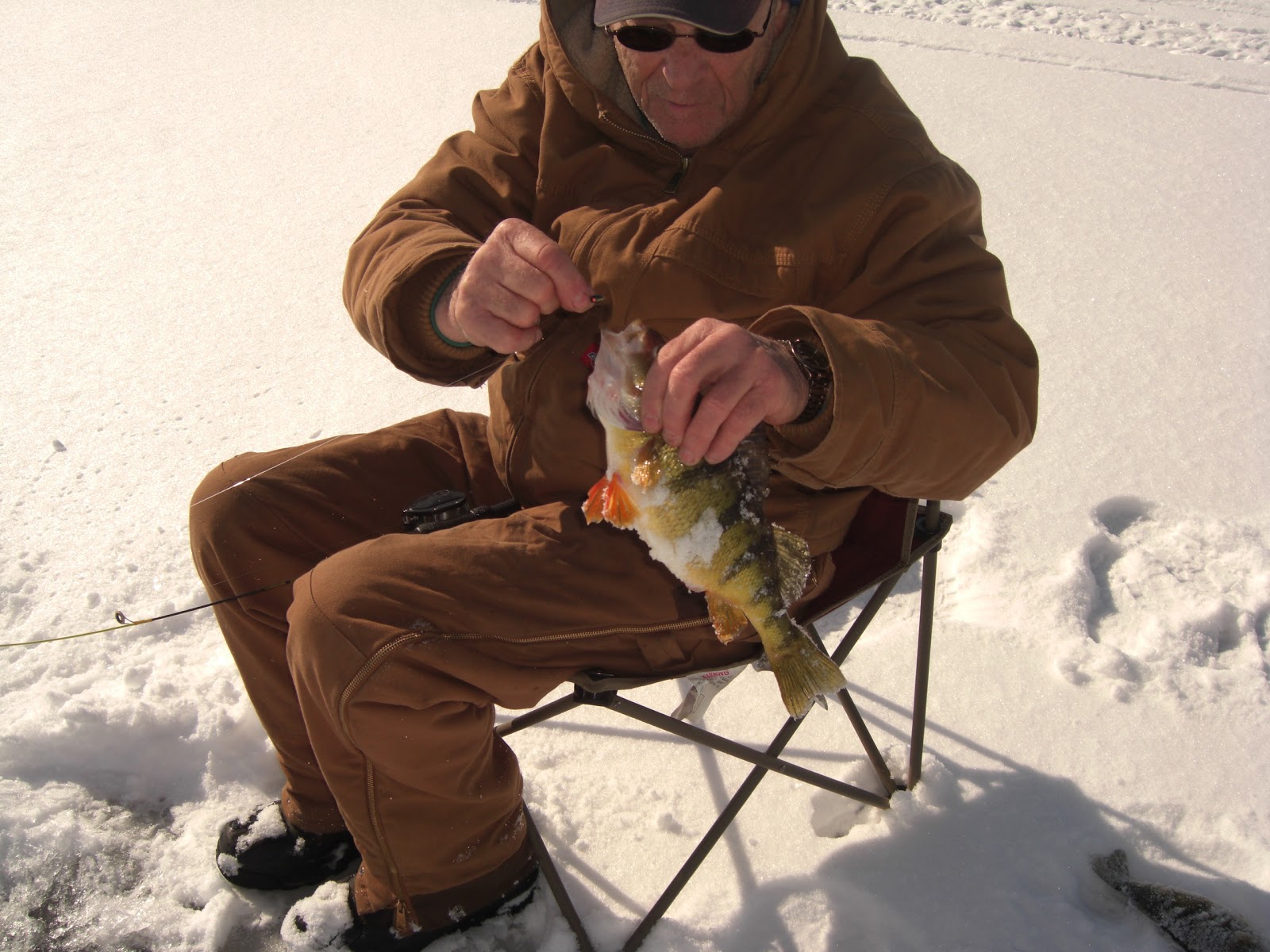
This 15 inch Perch from Oneida Lake is a keeper!
So can your Ice Fishing Derby safety promotion.
Be the first legitimate Ice Fishing Derby organizer to send an email back HERE and get 250 Free Sponsored ICE Cards to distribute free at your next 2011 fishing derby event.  
We'll ship them out right away.

In return we'd really like to receive some digital photos of your event, a web or blog hyperlink to your group and a confirmation the cards (pictures at the event work) were distributed so we can blog about it on this forum and place pictures of the event on the ICE4SAFETY website. 

Date/Time:  2-1-11 1615hrs